
Legacy of Dr. Omura
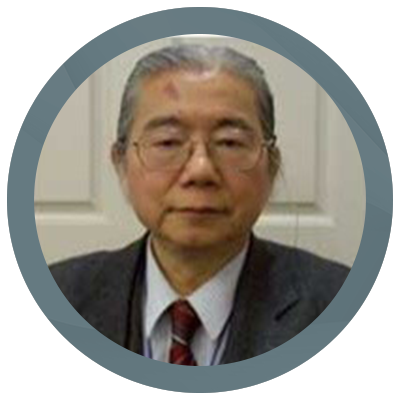
Dr. Yoshiaki Omura
M.D., Sc.D., FACA, FICAE, DAAPM, DABFM, FAAIM, FRSM
Dr. Yoshiaki Omura (March 28, 1934 – 2026) was a physician, researcher, educator, and internationally recognized scholar whose work spanned medicine, biomedical science, electrophysiology, and integrative clinical research. Over the course of his distinguished career, he contributed to academic medicine, scientific publications, international education, and the development of diagnostic and therapeutic approaches that influenced clinicians and researchers worldwide.
Full Biography of Dr. Yoshiaki Omura, M.D., Sc.D., F.A.C.A., F.I.C.A.E.
Dr. Yoshiaki Omura (March 28, 1934 – 2026) was a physician, researcher, educator, and internationally recognized scholar whose work spanned medicine, biomedical science, electrophysiology, and integrative clinical research. Over the course of his distinguished career, he contributed to academic medicine, scientific publications, international education, and the development of diagnostic and therapeutic approaches that influenced clinicians and researchers worldwide.
Early Life and Education
Dr. Omura was born in Asahi-Machi, Toyama Prefecture, Japan. He began his academic studies in electrical engineering and pre-medicine at Nippon University, where he ranked among the top students in a large graduating class. He later earned a Bachelor of Science degree (M.S. equivalent in the United States) in Applied Physics from Waseda University in Tokyo.
He received his M.D. from the School of Medicine at Yokohama City University, supported by both the Ikueikai Scholarship and a Special Medical Research Scholarship from the Japanese Ministry of Education, awarded to outstanding medical researchers. Following medical school, he completed a rotating internship at Tokyo University Hospital and gained additional clinical experience in emergency medicine and surgical residency training.
In 1959, Dr. Omura moved to the United States, where he completed a twelve-month rotating internship at Norwalk Hospital in Connecticut. He continued his academic advancement at Columbia University in New York, undertaking advanced graduate experimental coursework in physics while serving as a research fellow in cardiovascular surgery. He later earned a Doctor of Science (Sc.D.) in Medicine from the College of Physicians and Surgeons at Columbia University, with emphasis on pharmaco-electrophysiology of single cardiac cells.
Academic and Clinical Career
Dr. Omura held numerous academic, clinical, and research positions throughout his career. He served as a resident physician in surgery at Columbia University’s Cancer Institute and worked as a research consultant in orthopedic surgery and pharmacology at major academic institutions including Columbia University and SUNY Downstate Medical Center.
From 1966 to 1972, he was a staff member at New York Medical College, where he taught graduate-level courses in pharmaco-electrophysiology of the heart, biophysics, and electronics in medical research. During this time, he also conducted research on the electrophysiology of the cardiovascular system and demonstrated advanced experimental techniques to medical and graduate students.
Dr. Omura also held international academic appointments, including Adjunct Professor of Pharmacology at the University of Health Sciences/Chicago Medical School and Adjunct Professor of Physiology at Showa University School of Medicine in Tokyo. He later served as Professor in the Department of Non-Orthodox Medicine at Ukrainian National Medical University and as a permanent visiting professor and consultant to international training programs in traditional medicine.
Research Contributions and Medical Innovation
Dr. Omura’s research interests included electrophysiology, acupuncture, cardiovascular science, neuroelectricity, and integrative diagnostic methods. In 1972, he performed one of the first widely publicized demonstrations of acupuncture analgesia for surgery in the United States at the University Hospital of the Albert Einstein College of Medicine, an event that helped stimulate broader clinical research and institutional interest in acupuncture in Western medical settings.
In 1973, he co-founded an early large-scale drug detoxification program utilizing acupuncture techniques at Lincoln Hospital in New York. His work in this area contributed to training medical staff in manual and electro-acupuncture methods for the treatment of withdrawal syndromes and related clinical applications.
In 1975, Dr. Omura introduced the Bi-Digital O-Ring Test as part of his research in diagnostic assessment and biological regulation. His investigations also included studies on cephalic hypertension syndrome, cephalic hypotension syndrome, and the electrophysiological effects of therapeutic interventions.
Leadership, Editorial Work, and Professional Service
Throughout his career, Dr. Omura held leadership roles in multiple scientific and medical organizations. He was the founding Editor-in-Chief of Acupuncture & Electro-Therapeutics Research: The International Journal, a publication indexed in major international medical and scientific periodicals.
He served on editorial boards and as a consultant for numerous scientific journals and organizations and was actively involved in international academic collaboration. His professional service included membership and fellowship in several medical and scientific societies, participation in international advisory committees, and consultation for research grant evaluations, including work associated with NIH-related review processes.
Dr. Omura was also President of the International College of Acupuncture & Electro-Therapeutics, an organization chartered by the Regents of the University of the State of New York and the New York State Education Department.
Publications, Patents, and Academic Output
Dr. Omura authored over 160 articles in professional and scientific journals and contributed chapters to academic books. His published books include:
The Tofu-Miso High Efficiency Diet (1981)
New Approach to Self-Diagnosis: Introducing Applied Kinesiology (1982)
Acupuncture Medicine (1982)
Acupuncture Therapy: Clinical Diagnosis and Treatment (1990)
He was also credited with multiple patents, including U.S. and Japanese patents related to non-invasive measurement of cerebral blood pressure and blood flow and related biomedical instrumentation.
Awards and Recognition
Dr. Omura received numerous honors in recognition of his scientific and academic contributions, including:
Acupuncture Scientist of the Year, International Congress of Chinese Medicine (1989)
Qi Gong Scientist of the Year, International Congress of Chinese Medicine & Qi Gong (1990)
Annual Scientific Meeting Award, Japan Ryodoraku Autonomic Nervous System Medical Society (1990)
Twentieth Century Achievement Award, American Biographical Institute (1994)
His work was featured in international media, documentaries, symposia, and academic conferences across the United States, Europe, and Asia.
Legacy
Dr. Yoshiaki Omura’s legacy reflects a lifelong commitment to interdisciplinary medical research, education, and international collaboration. His work connected biomedical science, clinical practice, and emerging integrative approaches, and his publications, lectures, and academic leadership influenced physicians, researchers, and students across multiple countries.
Today, his contributions continue to be referenced in academic discussions, clinical literature, and ongoing research in medical science and integrative healthcare. This website stands in memory of his wo
© 2026 Bi-Digital O-Ring Test (BDORT). All rights Reserved - Accessibility Statement - Privacy Policy - Sitemap
Managed and Designed by 
Save Search
Saved Searches
Modal title
…
Update Profile
This website uses cookies to enhance your experience, analyze site usage, and monitor website traffic.